
A fall car care checklist before winter
Most winter prep is easier in October than in December. Paint protection in particular needs mild weather, so it is the first thing to do, not the last.
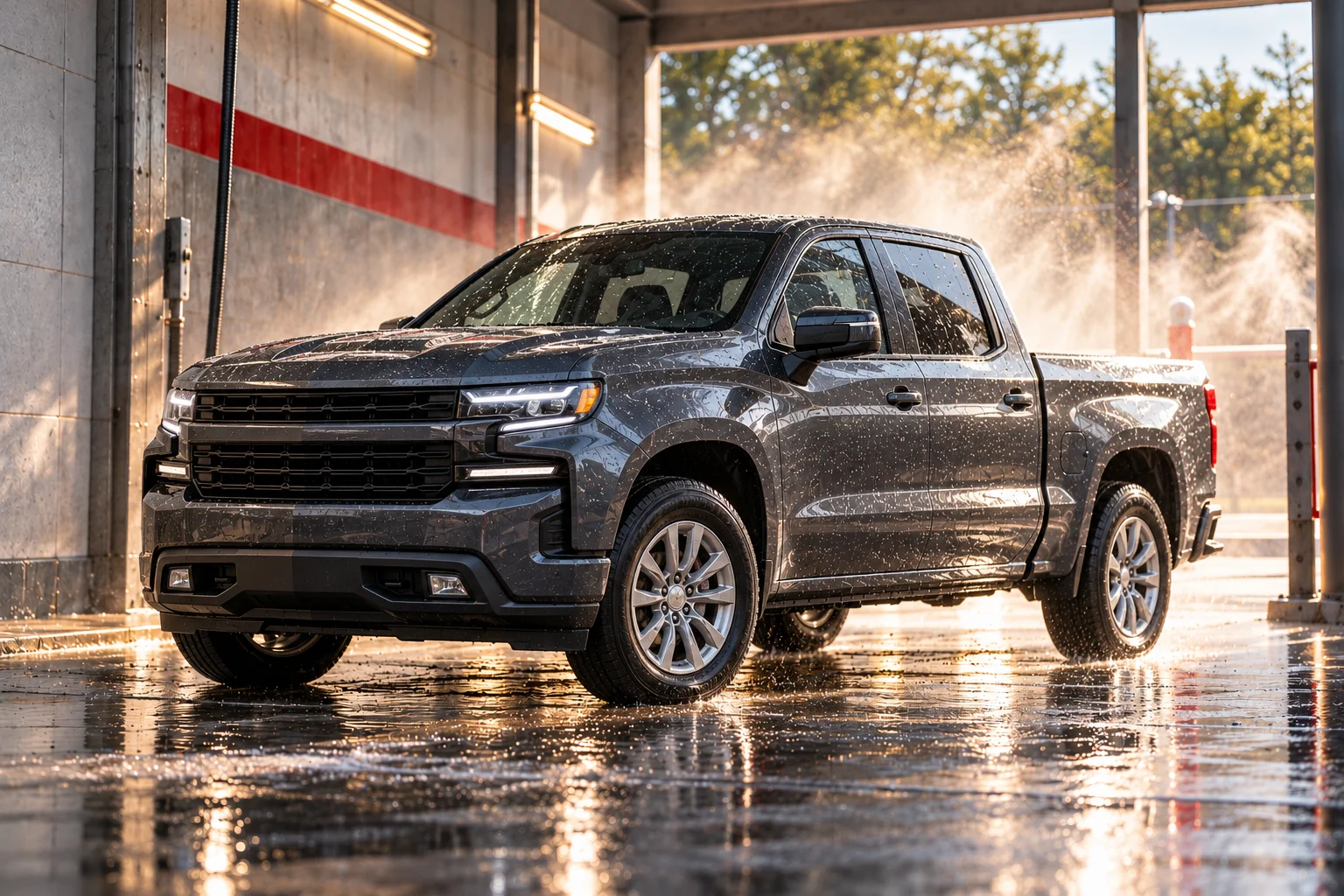
Protect the paint while it is still mild
Waxes and sealants need reasonably warm, dry conditions to bond and cure. Most products list a minimum temperature on the label, and by November in London there are not many days that meet it. So do this first, in September or early October.
Start with a thorough wash. If the paint feels rough when you run your fingertips across it, use an iron remover or clay bar to get the bonded contamination off, because wax does not stick well to a gritty surface. Then apply a wax or, better for winter, a sealant, which usually lasts longer. Do the lower panels carefully. They take the most salt.
Fix chips before salt finds them
Every stone chip that goes down to bare metal is a place for rust to start once the brine arrives. Touch-up paint from the dealer or an auto parts store, matched to your paint code on the door jamb sticker, is cheap and takes a few minutes per chip. It does not need to look perfect. It needs to seal the metal.
Do the same for windshield chips. A chip is far more likely to crack in winter, when cold glass meets defroster heat.
Tires
The usual rule is to install winter tires when temperatures stay below about 7 degrees, which in London is often late October or November. Do not wait for the first snowfall, when every shop is booked. Check the tread on your winter set before it goes on, and check pressure regularly through the season, because tire pressure drops as temperatures fall. The correct pressure is on the sticker in the driver's door jamb.
Ontario insurers are required to offer a discount for winter tires, so it is worth telling your insurer once they are on.
The rest of the checklist
Most of these take minutes. Doing them in fall means you are not doing them in a parking lot at minus fifteen.
- Battery: have it tested if it is more than a few years old. Cold mornings are when weak batteries fail.
- Wiper blades: replace them if they streak, and consider winter blades that resist icing.
- Washer fluid: switch to a winter-rated fluid and keep a spare jug in the trunk.
- Door seals: wipe them clean and treat with a rubber protectant or silicone so doors do not freeze shut.
- Lights: check every bulb and clean the lenses before the dark evenings.
- Winter kit: brush, scraper, small shovel, booster cables, gloves and a blanket.
- Floor mats: switch to rubber mats that hold melted snow and salt.
Plan how you will wash through the winter
Once salt is on the roads, washing is about the underside and the lower panels as much as the shine. A good pattern is a wash every week or two through the salty months, timed for mild spells when you can. An under-car spray rinses the brine off the parts you cannot see.
Fast Lane's bay is open 24 hours, which helps in winter when the mildest part of the day may be the only sensible time to wash. Afterwards, open and close the doors a couple of times so water does not freeze in the seals.
In short: Put a sealant on the paint and touch up every chip before mid-October, while it is still warm enough for both to cure properly.